What distinguishes Hungarian pasta from traditional Italian pasta? What does it mean that the dough contains 8 eggs and how is it served in Hungary? Here is a description that answers the questions.
In our range there are several different types of pasta or pasta as it is called in Hungarian. All our pasta is made in a small pasta factory in the town of Cegléd in Hungary, which produces the pasta by hand to our order and according to our wishes.
Unlike traditional Italian pasta, Hungarian pasta dough contains eggs. Normally, the dough contains 4 eggs per kilo of flour. However, in our range we have asked the pasta factory to produce pasta that contains 8 eggs per kilo of flour.
So what is the difference?
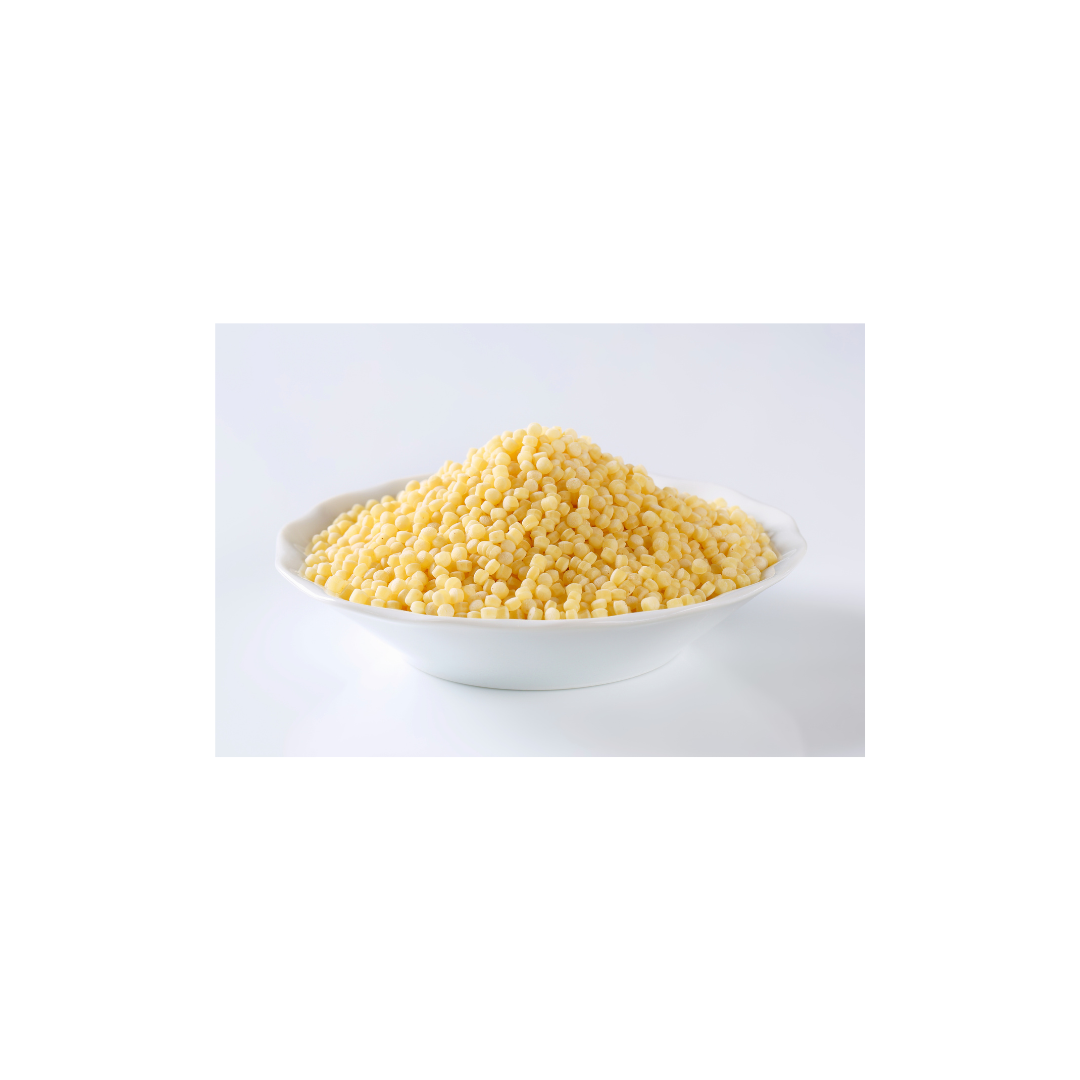
Well, besides the taste being better, our pasta swells more when cooked than the one with only 4 eggs. This simply means that it lasts longer and fills more people. The high egg content also makes the pasta yellower in color!
The fact that the pasta contains 8 eggs also helps it not be as "soggy" as the one with a lower egg content, which is preferable when served in soup or with a sauce. It simply holds its shape better and the consistency is slightly firmer.
How is pasta served in Hungary?
It depends on the type of pasta. Soup noodles are, as the name suggests, served in different types of soups. In Hungarian broth served often thin soup noodles while Goulash soup served with the slightly more rustic Csipetke .
The Hungarian pasta can also be served as a side dish with a stew. For example, it goes well with wavy pasta excellent for our creamy chicken casserole recipe Paprika Chicken .
We strongly value the quality of our products, especially our dough. We are proud to work directly with a small producer. This way we can help promote Hungarian food culture in a sustainable way!